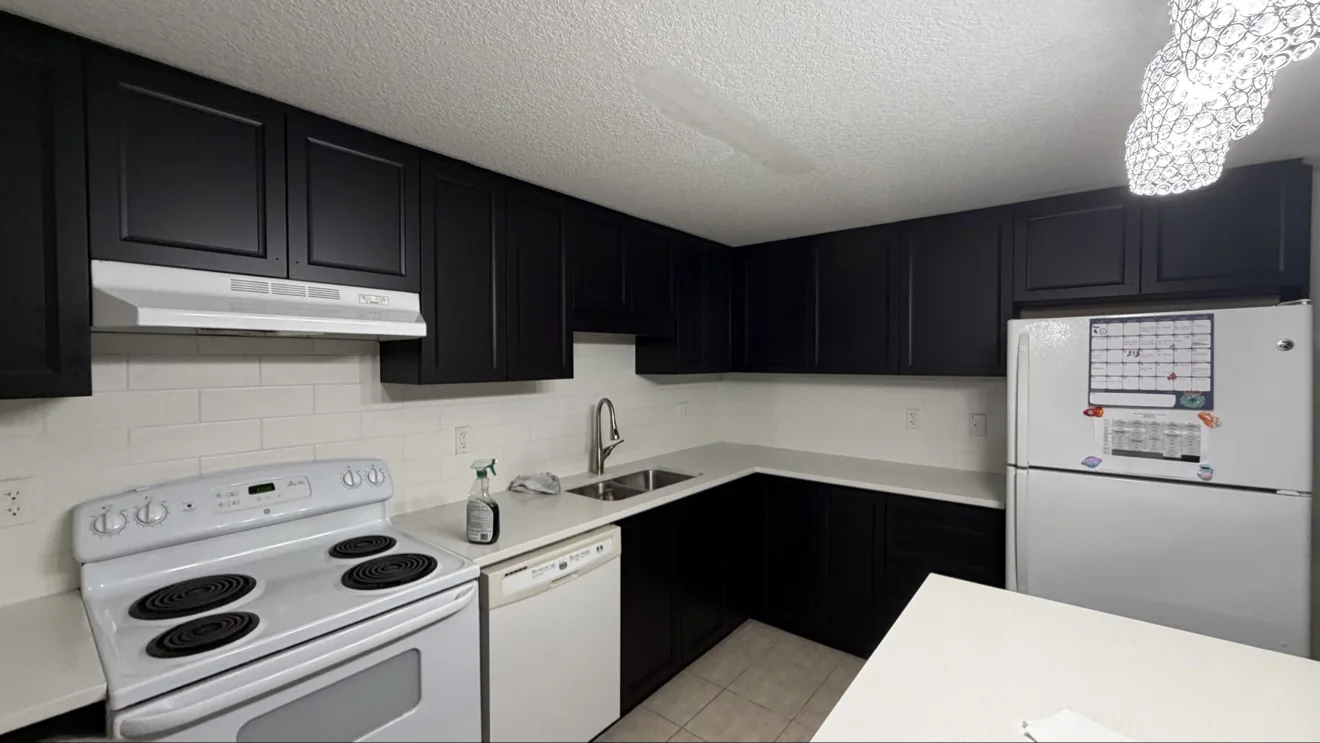
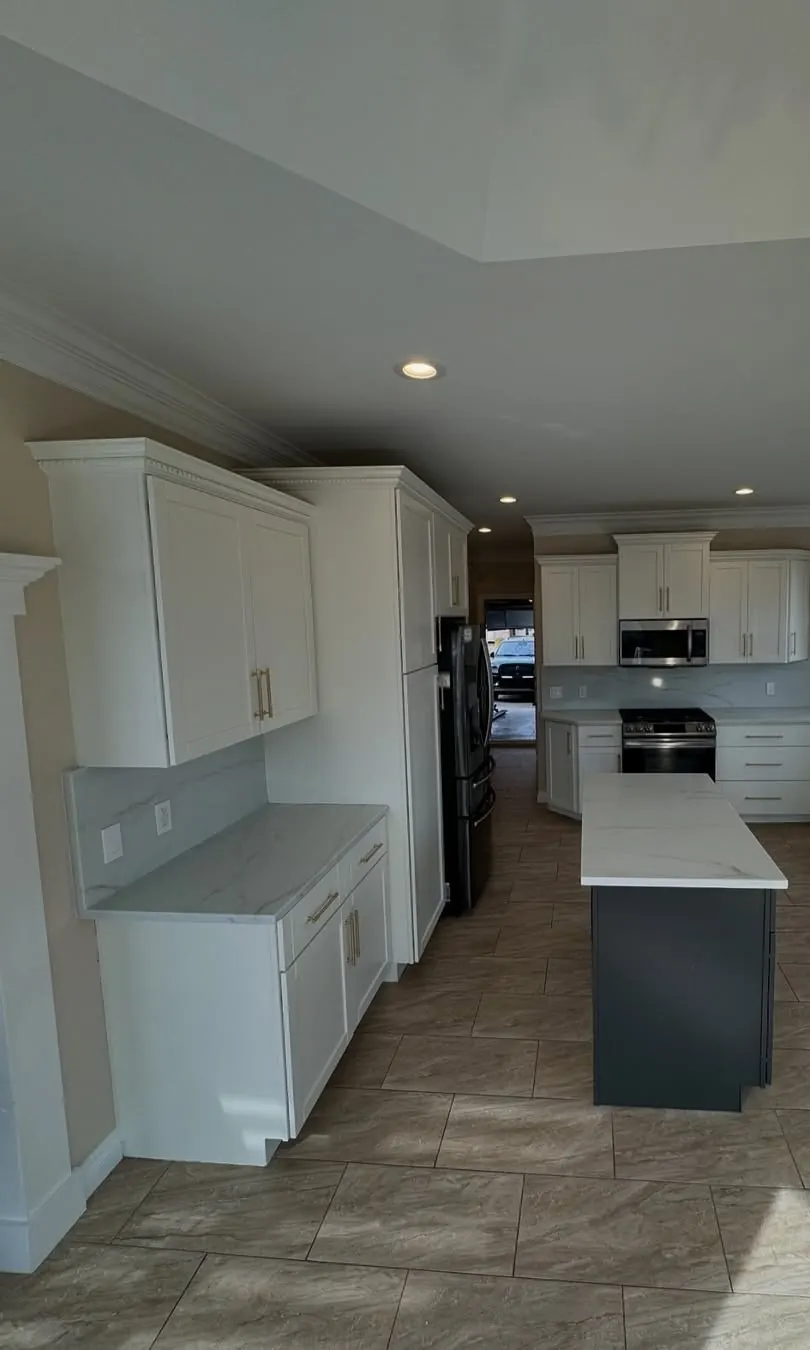
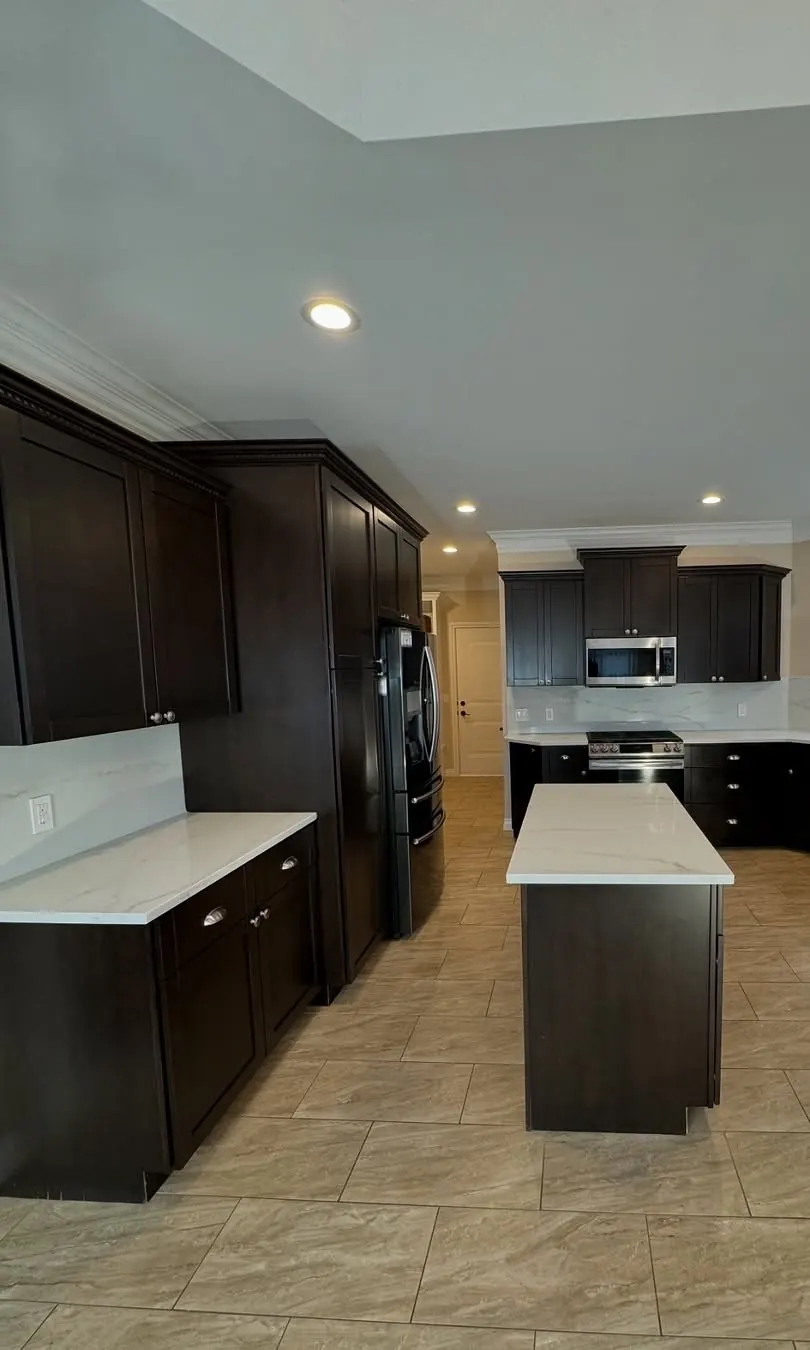
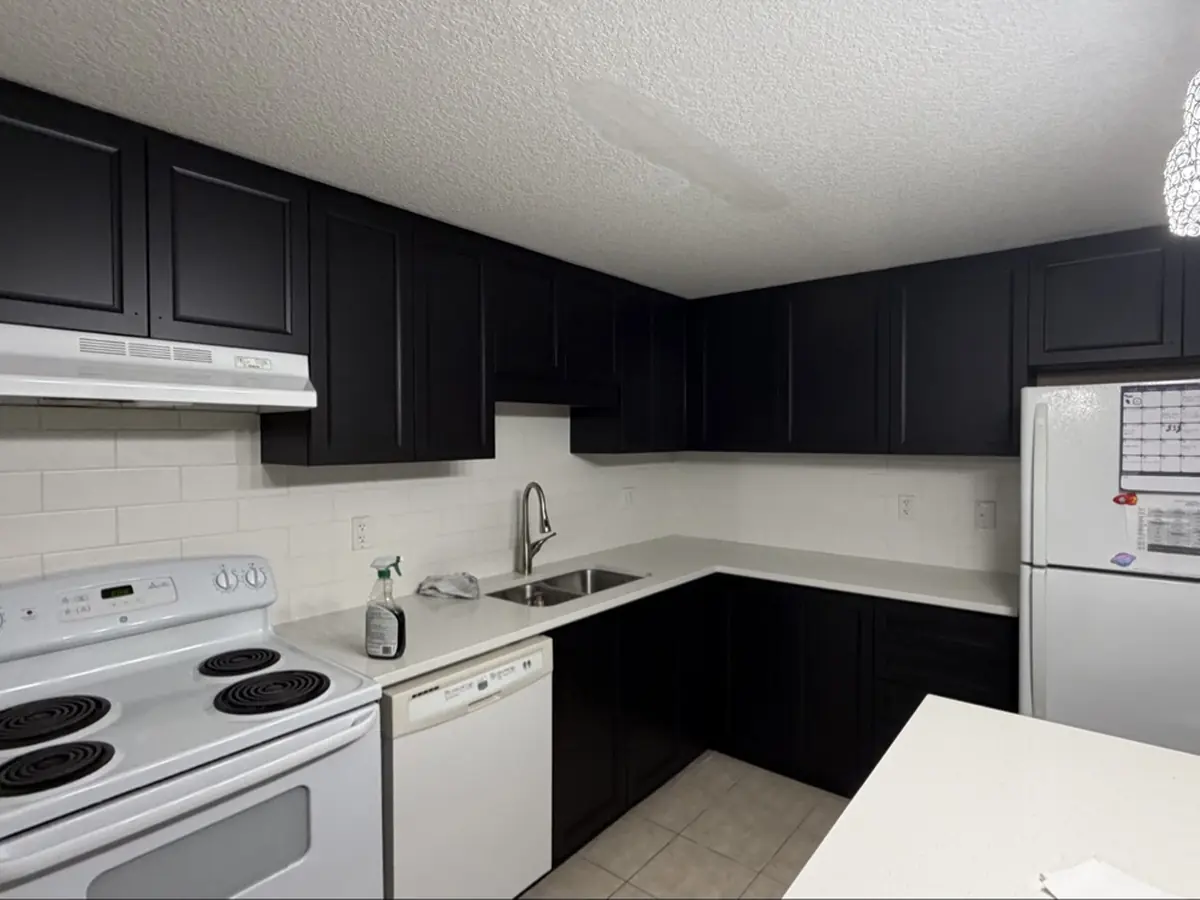
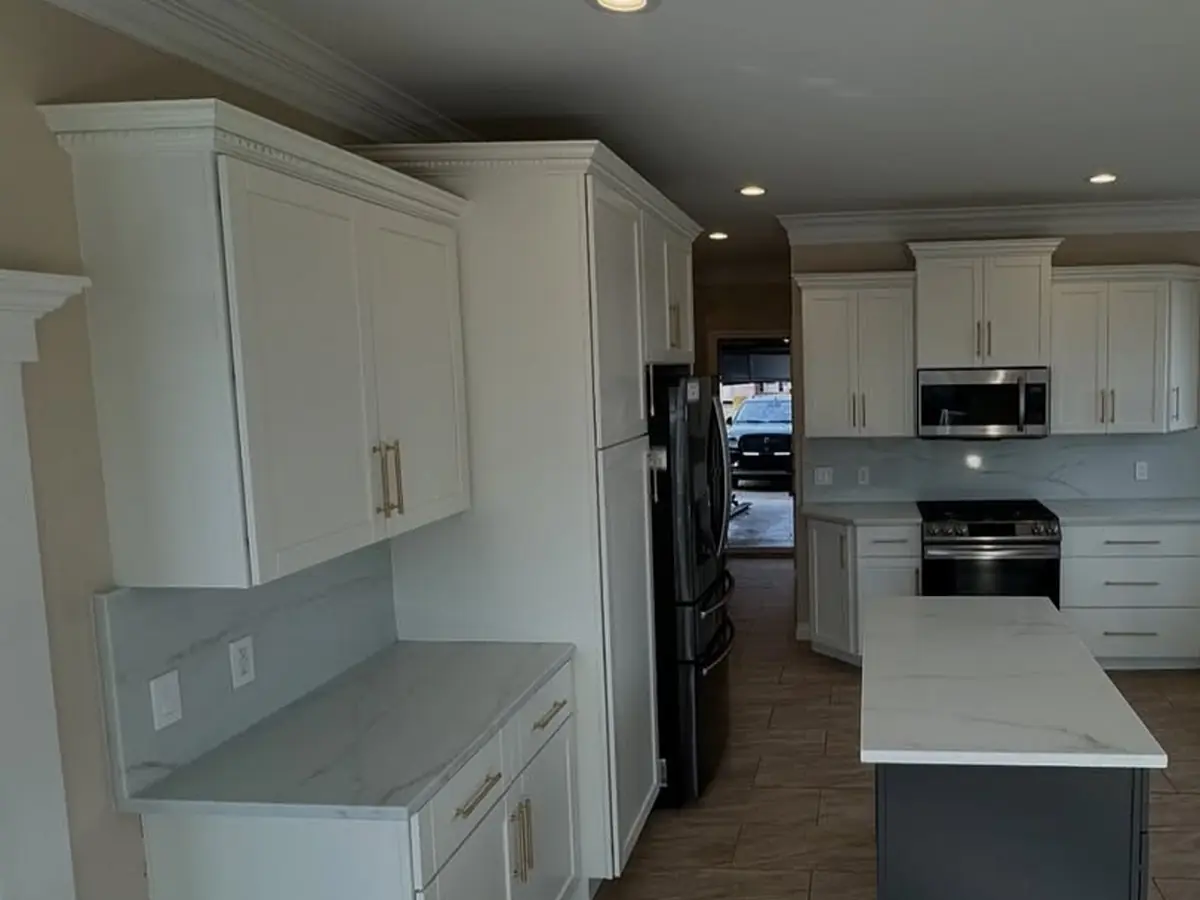

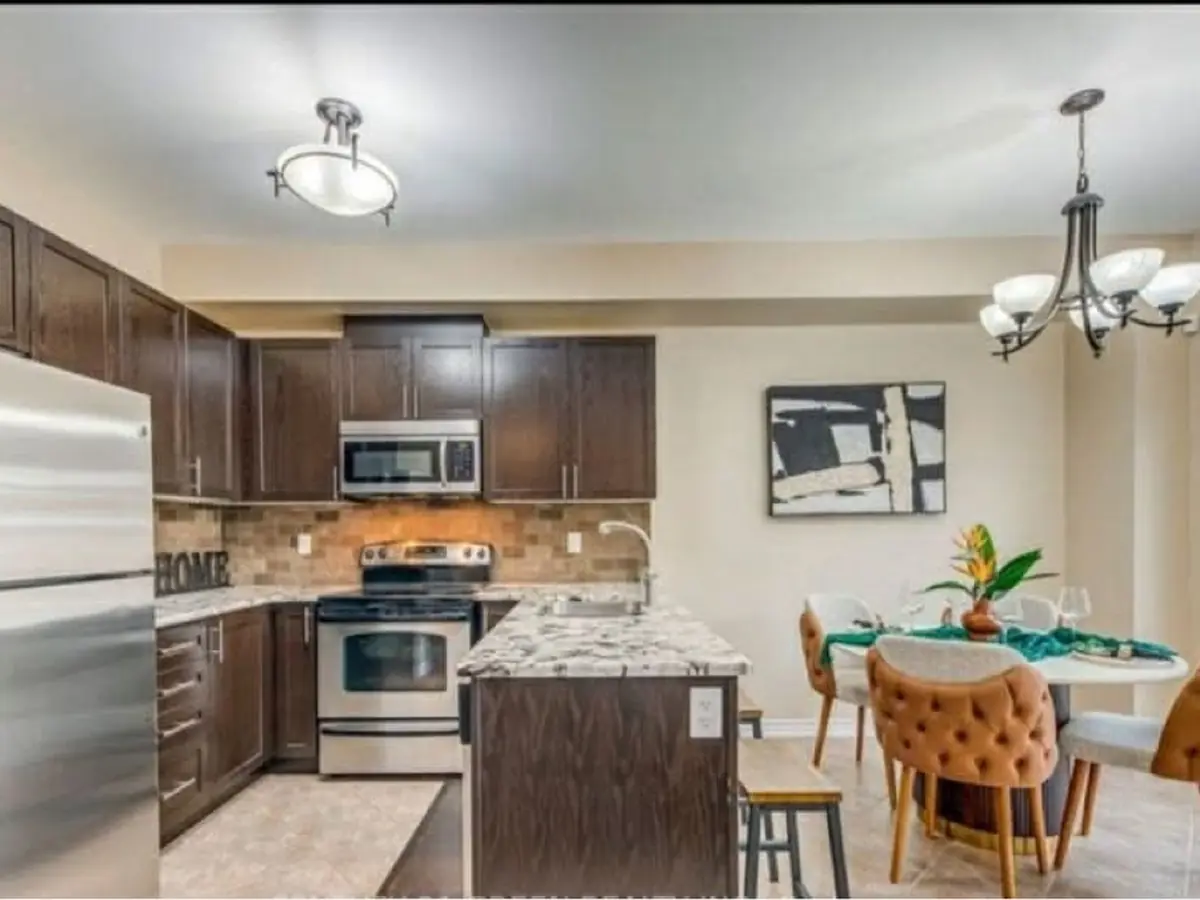
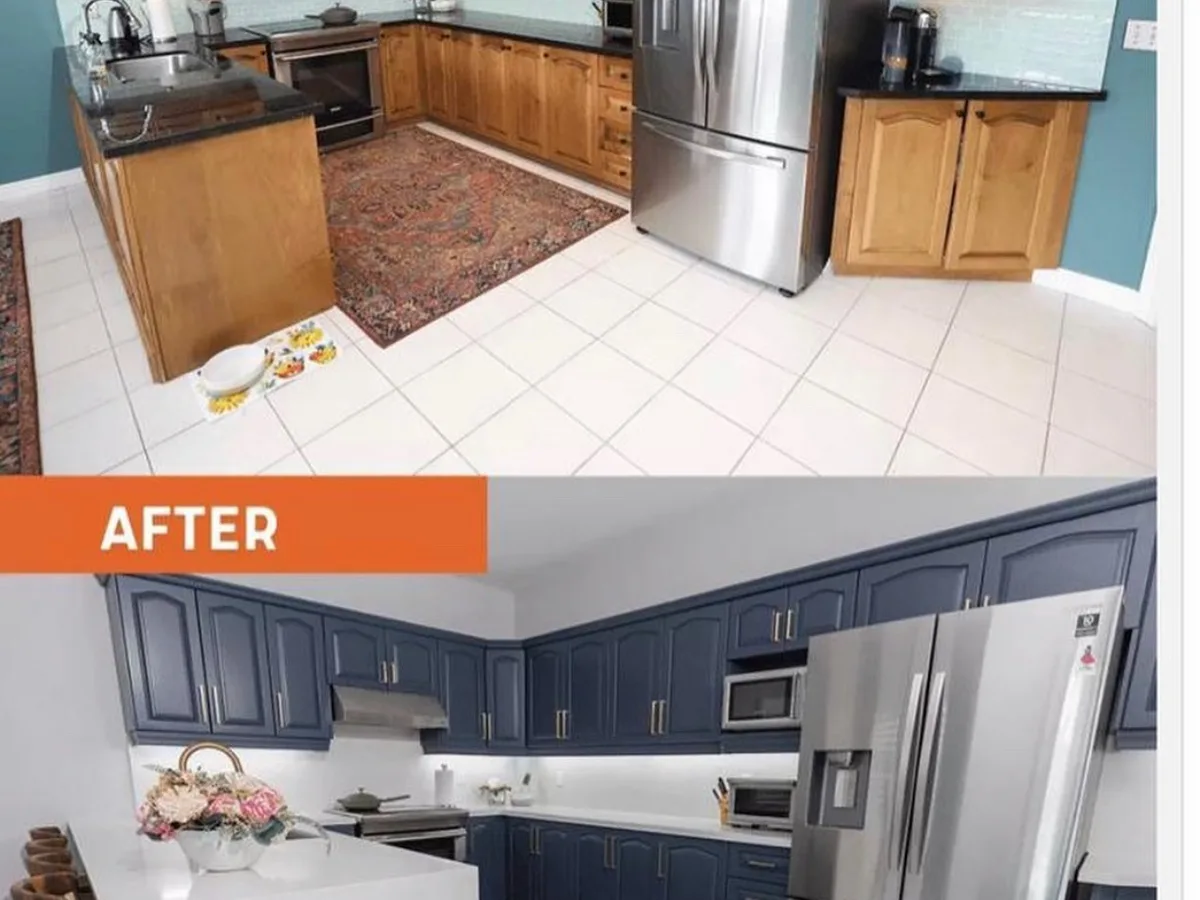
A carefully prepared cabinet finish
Kitchen Cabinet Painting with a defined preparation plan
Cabinet painting refreshes a kitchen while keeping the existing layout. The result depends on the condition and material of the doors, thorough cleaning and a compatible coating system — Kanan Painting reviews your cabinets before confirming whether refinishing is appropriate.
Define the cabinet scope
- Door and drawer fronts
- Visible cabinet frames and end panels
- Island faces and decorative trim
- Hardware removal and reinstallation as agreed
How the work is planned
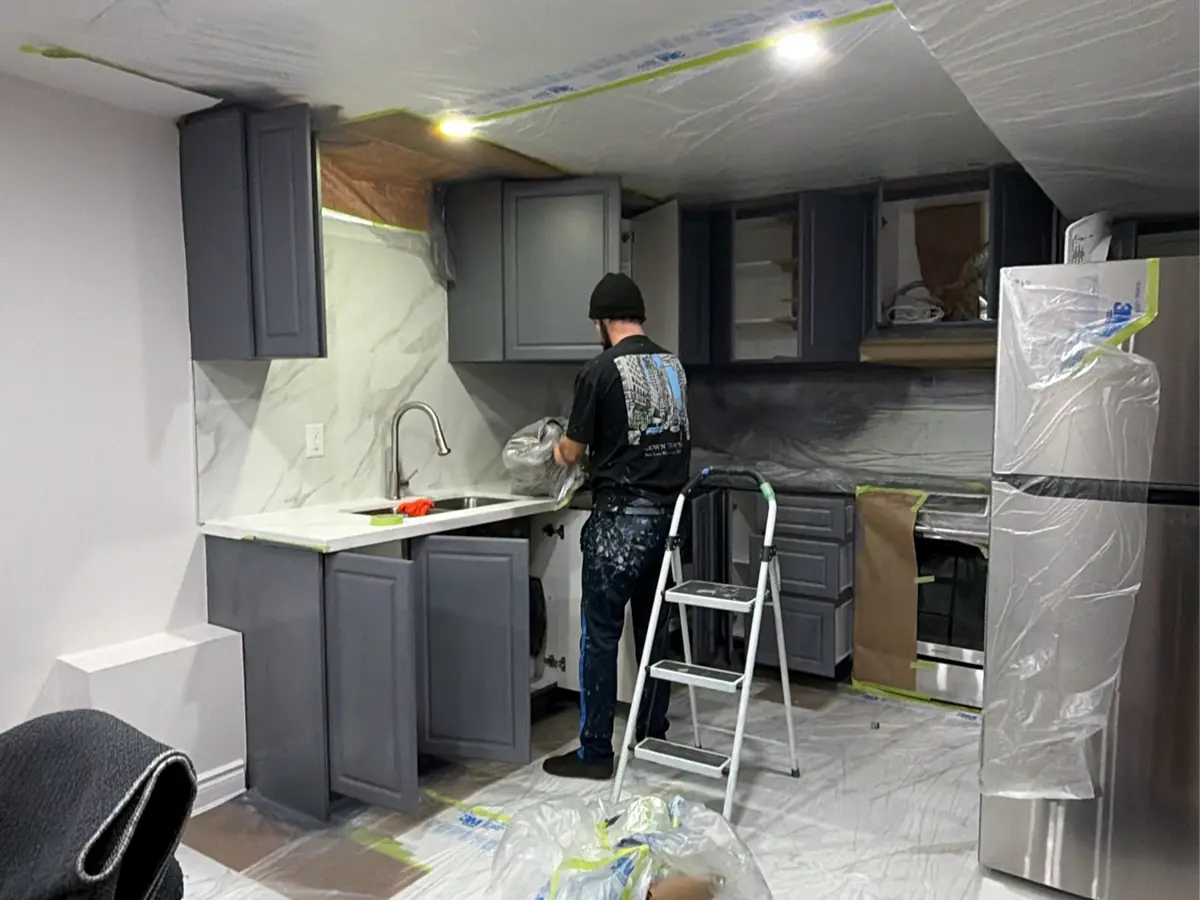
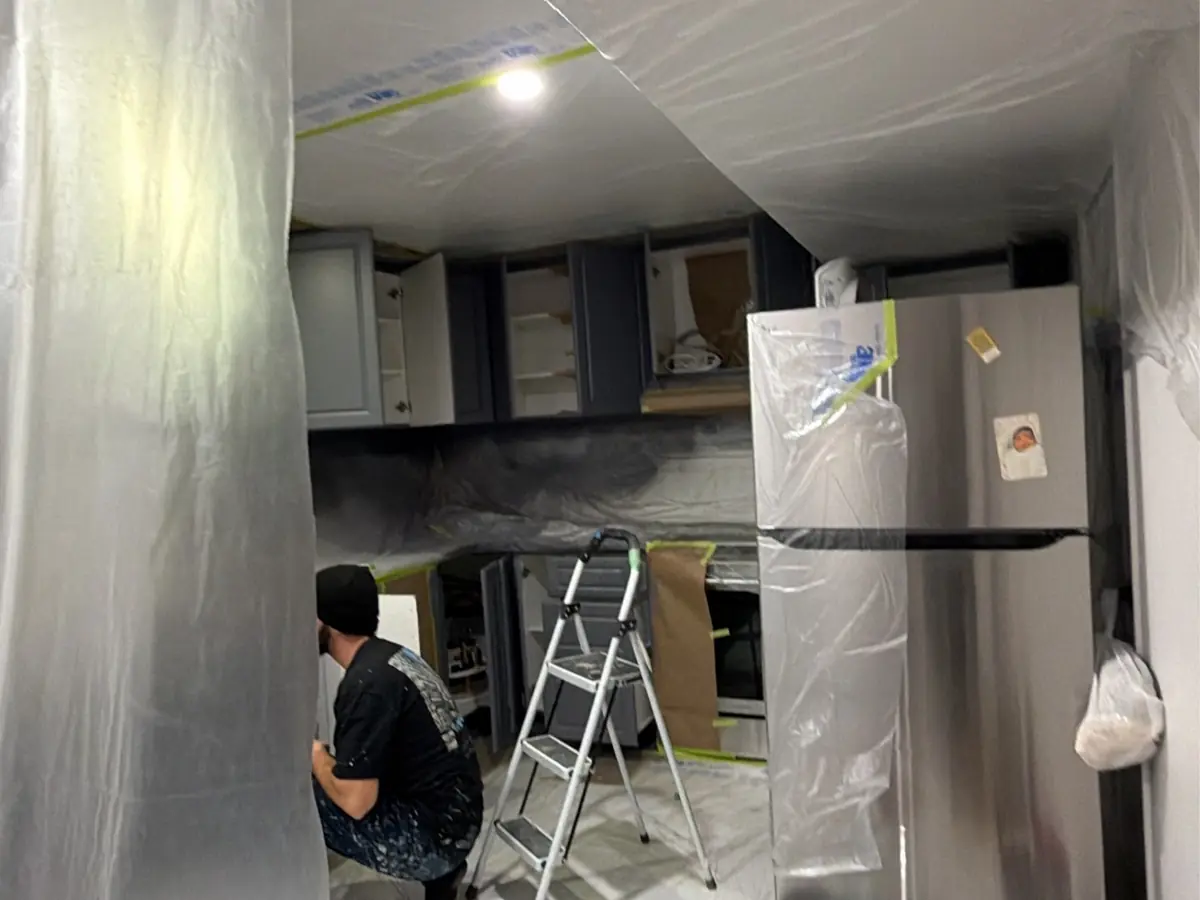
- Label removable components and protect counters, floors and appliances.
- Degrease, sand and repair surfaces included in the scope.
- Apply a compatible primer and cabinet-grade finish.
- Reinstall components and review the finished kitchen.
Our cabinet painting process, step by step
- Cabinet inspection. We check the door material, existing finish, grease build-up and damage, and confirm painting is the right option before quoting.
- Door and hardware removal. Doors and drawer fronts come off, labelled; hinges and handles are removed and kept safe.
- Degreasing. Years of cooking grease are stripped from every surface — coatings cannot bond to grease, so this step decides how long the finish lasts.
- Sanding. Every door, drawer and frame is sanded to a uniform profile so the primer grips evenly.
- Repairs and filling. Chips, dents and worn edges are filled and levelled; open grain is filled where a smoother finish is wanted.
- Bonding primer. A high-adhesion bonding primer (for example Sherwin-Williams Extreme Bond Primer on slick factory finishes) is selected for your cabinet material, per the manufacturer's instructions.
- Professional spray finish. Doors and drawers are sprayed flat in a controlled setup for a smooth, factory-style finish without brush marks.
- Two finish coats. A cabinet-grade enamel such as Sherwin-Williams Emerald Urethane Trim Enamel is applied in two coats, with light sanding between coats where the system calls for it.
- Drying and curing. Dry to the touch is not cured: we explain when doors can be handled, when the kitchen returns to normal use, and how to clean the finish while it hardens.
- Reinstallation. Doors are rehung, hardware is refitted, and alignment is adjusted so everything closes evenly.
- Final quality inspection. We walk the finished kitchen with you in good light, complete touch-ups, and leave care instructions.
Materials and coating systems
Wood cabinets are the most straightforward: degrease, sand, prime and finish. MDF doors need their edges sealed so the fibres do not swell. Thermofoil and laminate doors are assessed first — a sound, well-bonded film can often be coated, but peeling or heat-damaged film changes the plan, and we will tell you honestly at the inspection.
Frames are usually finished in place with the same system; doors and drawers are sprayed for the smoothest result. A light-over-dark colour change can need an extra coat for full coverage — confirmed in your written estimate, never added as a surprise.
Cabinet refinishing and cabinet repainting
Homeowners use these terms interchangeably: cabinet repainting is a colour refresh over a sound existing finish; cabinet refinishing is the fuller process above — degreasing, repairs, priming and respraying. Both keep your existing cabinets and layout. Refacing (new door fronts over old boxes) is a different service; if your doors are beyond repair, we will say so at the estimate.
Cabinet painting starts from $1,399. The final written price depends on door and drawer count, material, condition, and the colour change involved.
What affects the cabinet estimate?
Door count, drawer fronts, island size, profiles, previous coatings and any damage affect the preparation. Send photographs with doors closed and open, plus close-ups of peeling or grease. Interior boxes and hardware changes are included only when written into the scope.
Kitchen cabinet painting in your city
City pages with the same process, local details and free written estimates:
- Kitchen cabinet painting in Toronto
- Kitchen cabinet painting in Vaughan
- Kitchen cabinet painting in Mississauga
- Kitchen cabinet painting in Richmond Hill
- Kitchen cabinet painting in Markham
- Kitchen cabinet painting in Bradford
- Kitchen cabinet painting in Newmarket
- Kitchen cabinet painting in Aurora
- Kitchen cabinet painting in Bolton
- Kitchen cabinet painting in Woodbridge
- Kitchen cabinet painting in Caledon
- Kitchen cabinet painting in Brampton
- Kitchen cabinet painting in Oakville
- Kitchen cabinet painting in Burlington
- Kitchen cabinet painting in Hamilton
- Kitchen cabinet painting in King City
Serving a different city? Browse all locations — every city page links to its kitchen cabinet painting options in English or French.
Before you book
Can I use the kitchen immediately?
Coatings need drying and curing time. We explain the handling and cleaning precautions for your product and confirm which parts of the kitchen stay usable during the project.
How is the price confirmed?
We review surface condition, preparation, quantities, access and the selected finish. Your written estimate defines the scope, materials and schedule; photographs start the conversation but do not replace an assessment where one is needed.
What warranty applies?
Eligible completed work includes a written 15-year workmanship warranty; the terms, covered surfaces and exclusions come with your estimate.
How much does kitchen cabinet painting cost?
Projects start from $1,399. The final written price depends on door and drawer-front count, cabinet material, the condition of the existing finish, and whether the colour change is light-over-dark — the full scope and price are in writing before any work starts.
How long does cabinet painting take?
A typical kitchen takes about 3–5 working days across removal, preparation, spraying and reinstallation, plus curing time before heavy use; your estimate confirms the schedule for your kitchen.
Can you paint laminate or thermofoil cabinets?
Often, yes — if the surface film is sound and well bonded, a bonding-primer system is designed for exactly that. Peeling, bubbling or heat-damaged film must be dealt with first, and some doors are not good candidates; we assess this at the inspection and tell you plainly.